
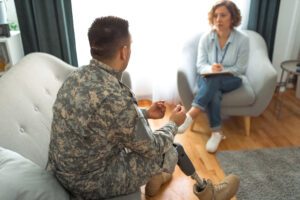
 Post-Traumatic Stress Disorder (PTSD) is a mental health condition that can develop after a person has been exposed to a traumatic event. For veterans, these events often occur during combat or military service. The effects of PTSD can be debilitating, affecting nearly every aspect of a veteran’s life. However, with the right treatment, many veterans can find relief and regain control over their lives.
Understanding PTSD in Veterans
Veterans often face unique challenges when it comes to PTSD. The nature of military service means that they may experience traumatic events more frequently and intensely than civilians. This can include not only combat but also other traumatic situations such as witnessing injuries or deaths, experiencing military sexual trauma or surviving accidents. The transition from military to civilian life can also exacerbate PTSD symptoms, making it important to address and understand the specific causes and manifestations of PTSD in veterans.
What causes PTSD?
PTSD can be caused by experiencing, witnessing or learning about a traumatic event. For veterans, combat exposure is a common trigger, as the intense and often life-threatening situations they face can leave lasting psychological scars. However, it’s important to recognize that other events such as military sexual trauma, accidents or the sudden loss of a fellow service member can also lead to PTSD.
The military environment itself can also contribute to PTSD. The high-stress nature of deployment, coupled with extended periods away from home, can create additional mental health challenges. Veterans may also struggle with feelings of guilt or shame associated with their experiences, which can compound their symptoms.
Understanding these diverse triggers is vital in providing effective support and treatment for veterans suffering from PTSD.
Types of PTSD
PTSD symptoms can vary widely but generally fall into four categories: intrusive memories, avoidance, negative changes in thinking and mood and changes in physical and emotional reactions. Intrusive memories may involve flashbacks or nightmares that make it difficult for veterans to escape their trauma. Avoidance symptoms can lead them to steer clear of places, people or situations that remind them of their traumatic experiences, which can lead to isolation.
Negative changes in thinking and mood may manifest as feelings of hopelessness, detachment or persistent negative beliefs about oneself or the world. Changes in physical and emotional reactions can include being easily startled, feeling tense or “on edge,” and experiencing angry outbursts. Veterans need to know that these symptoms are a natural response to trauma and that they are not alone in experiencing them.
Importance of PTSD Treatment
Seeking treatment for PTSD is crucial for veterans’ mental health and overall well-being. Without treatment, PTSD can lead to other mental health issues, including depression, anxiety and substance abuse. Moreover, untreated PTSD can affect relationships, job performance and the ability to enjoy life. The cumulative effect of these challenges can severely impact a veteran’s quality of life, making treatment not just beneficial, but essential.
The stigma surrounding mental health issues in the military can sometimes prevent veterans from seeking the help they need. It’s vital to create an environment where veterans feel comfortable reaching out for support. The sooner PTSD is addressed, the better the chances of recovery and improved quality of life. By raising awareness and understanding of PTSD, we can help dismantle the barriers that prevent veterans from accessing effective treatment.
Therapy for PTSD
Therapy is one of the most effective treatments for PTSD. It can help veterans process their traumatic experiences and develop coping strategies. Here are some common types of therapy used in PTSD treatment:
- Cognitive Behavioral Therapy (CBT): This type of therapy helps veterans identify and change negative thinking patterns and behaviors related to their trauma. CBT can empower veterans by giving them tools to manage their symptoms actively. It focuses on helping them change the way they think and react to their traumatic memories, which can lead to significant improvements in their mental health.
- Exposure Therapy: This therapy involves gradually exposing veterans to memories and situations that trigger their PTSD symptoms in a controlled environment to reduce their power. Through this process, veterans can learn to confront and process their traumas rather than avoid them, which can diminish the intensity of their symptoms over time. This approach requires a welcoming and supportive therapeutic environment to be effective.
- Eye Movement Desensitization and Reprocessing (EMDR): EMDR uses guided eye movements to help veterans process and integrate traumatic memories. This innovative therapy aims to reduce the emotional distress associated with traumatic memories by altering the way these memories are stored in the brain. Veterans who have undergone EMDR often report a significant decrease in PTSD symptoms and an enhanced sense of well-being.
Each therapy type has its unique approach and a mental health professional can help recommend an appropriate treatment for each individual. The key is to offer a tailored treatment plan that considers the veteran’s specific experiences and needs. By exploring different therapeutic options, veterans can find an effective path to recovery.
Medication as a part of PTSD treatment
In some cases, medication may be prescribed to help manage PTSD symptoms.
Antidepressants such as selective serotonin reuptake inhibitors (SSRIs) are commonly used to treat PTSD. These medications can help reduce symptoms of depression and anxiety, making it easier for veterans to engage in therapy. Medication can be an important component of a comprehensive treatment plan, particularly for veterans who experience severe symptoms.
It’s crucial to monitor and manage any medication regimen carefully under the guidance of a healthcare professional. While medication can provide relief, it’s most effective when combined with therapy and other supportive measures. Veterans should be encouraged to discuss their symptoms and treatment options openly with their healthcare provider to find an appropriate approach for their individual needs.
How to Help Veterans with PTSD
Family members and friends play a vital role in supporting veterans with PTSD. Understanding the condition and encouraging treatment can make a significant difference. Here are some ways to help:
- Educate Yourself and Others: Learn about PTSD and its effects. Share this knowledge with others to foster understanding and support. By becoming informed, you can better empathize with what veterans are going through and help dispel myths and misconceptions about PTSD.
- Encourage Treatment: Gently encourage the veteran to seek professional help and offer to assist them in finding resources. Offer to accompany them to appointments or help them navigate the process of seeking treatment. A supportive presence can be incredibly reassuring for veterans who might feel overwhelmed by the idea of starting treatment.
- Be Patient and Available: Healing from PTSD takes time. Be patient and offer a listening ear when needed. Let veterans know that you are there for them without judgment, and respect their pace as they work through their recovery. Being a consistent source of support can make a world of difference.
- Promote Healthy Lifestyle Choices: Encourage regular exercise, a balanced diet and good sleep hygiene, all of which can support mental health recovery. Physical health is closely linked to mental well-being, and these lifestyle choices can help veterans manage their symptoms more effectively.
The Benefits of PTSD Treatment
PTSD treatment can significantly improve a veteran’s quality of life. By reducing symptoms, veterans can enjoy better relationships, increased job satisfaction and an overall sense of well-being. Treatment helps veterans regain control over their lives, enabling them to participate more fully in everyday activities and connect more deeply with others.
Addressing PTSD can also lead to increased confidence and self-esteem. Veterans who engage in treatment often find that their capacity to handle stress improves, leading to a more fulfilling and balanced life. The positive changes brought about by effective PTSD treatment can have far-reaching impacts on a veteran’s personal and professional life.
Increased coping skills
Therapy and treatment provide veterans with the tools they need to cope with their symptoms effectively. With improved coping skills, veterans can manage stress, reduce anxiety and handle triggers more effectively. These skills empower veterans to face challenges head-on and reduce the impact of PTSD on their daily lives.
Developing new coping mechanisms also fosters resilience. Veterans learn to navigate difficult situations with greater ease, which can enhance their overall mental health and stability. This newfound resilience can lead to a more positive outlook on life and an increased ability to pursue personal and professional goals.
Strengthened relationships
PTSD can strain relationships with family and friends. Through treatment, veterans can learn to communicate better and rebuild trust and connection with their loved ones. Improved communication skills help veterans express their feelings and needs more clearly, which can enhance their relationships and create a stronger support network.
As veterans work through their trauma, they often find that their relationships deepen and become more meaningful. Treatment can help veterans and their loved ones understand each other’s perspectives better, fostering empathy and reducing misunderstandings. This renewed sense of connection can be a powerful motivator for continued recovery.
Reduced risk of substance abuse
Veterans with PTSD are at a higher risk of developing substance abuse issues. Effective treatment can help reduce this risk by addressing the underlying trauma and equipping veterans with healthier coping mechanisms. By learning to manage their symptoms without relying on substances, veterans can reduce the likelihood of addiction and improve their overall quality of life.
Moreover, integrated treatment approaches that address both PTSD and substance use disorders can lead to better outcomes. By treating these issues concurrently, veterans can experience more comprehensive healing and lower the risk of relapse. This holistic approach supports long-term recovery and fosters a healthier, more balanced lifestyle.
Practical Steps for Veterans Seeking Treatment
If you or a loved one is a veteran struggling with PTSD, taking the first step toward treatment can be daunting. Here are some practical steps to consider:
- Seek Professional Help: Reach out to a mental health professional with experience in treating PTSD. The Department of Veterans Affairs (VA) offers resources and support specifically for veterans. Finding a provider who understands the unique experiences of veterans can make a significant difference in the effectiveness of treatment.
- Join a Support Group: Connecting with others who have similar experiences can provide comfort and insight. Support groups offer a safe space to share and learn from others. Engaging in these communities can help veterans feel less isolated and more understood, which is crucial for recovery.
- Explore Different Treatment Options: Be open to trying different therapies and treatments to find what works best for you. It’s essential to have a personalized treatment plan tailored to your needs. Veterans should not be discouraged if the first treatment they try doesn’t work; persistence and experimentation can lead to finding the right path to recovery.
- Set Realistic Goals: Recovery from PTSD is a gradual process. Set achievable goals and celebrate small victories along the way. Recognizing progress, no matter how small, can boost motivation and encourage continued engagement in treatment.
- Stay Committed: Consistency is key to successful treatment. Attend therapy sessions regularly and follow through with your treatment plan. Building a routine and sticking to it can reinforce positive habits and contribute to lasting recovery.
PTSD Treatment at Salt Lake Behavioral Health
PTSD treatment offers numerous benefits for veterans, helping them to overcome the challenges of their past and lead fulfilling lives. By understanding the importance of treatment and offering support, we can help our veterans on their path to recovery. Whether through therapy, medication or supportive relationships, the journey to healing is possible and veterans deserve the opportunity to reclaim their lives.
Encourage any veteran you know who is struggling with PTSD to seek help and remind them that they are not alone in their journey. With the right support and treatment, they can move forward and thrive. By advocating for their mental health and well-being, we honor their service and contribute to a more supportive and understanding society.
Learn more by contacting us online or giving us a call at 801-264-6000.