
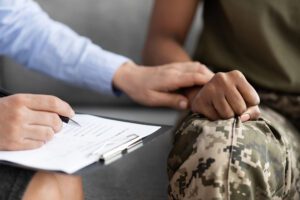
 We usually measure war’s cost in headlines, yet the reality of addressing military and veteran suicide unfolds quietly in civilian living rooms. While movies often depict combat trauma as the sole risk factor, Department of Veterans Affairs data reveals there are many equally deadly factors, with post-service isolation chief among them.
Imagine losing your career, closest friends and core purpose all at once. This sudden identity gap can trigger immense transition stress, making a veteran’s first year back a critically high-risk window. Ultimately, transitioning from military to civilian life challenges aren’t just about finding new employment; they involve surviving the loss of a life-or-death mission.
Bridging this divide doesn’t require a medical degree. By recognizing these unseen hurdles, you can become a knowledgeable ally, shifting the focus of veteran suicide prevention toward restoring vital human connection.
The Battle After the Uniform Comes Off
Most of us find comfort in stepping away from a stressful job, but for many veterans, a quiet civilian living room is where an entirely new struggle begins. Leaving the service triggers a profound loss of identity, suddenly stripping away the structured chain of command that once provided clear, existential direction.
Navigating the transition from military to civilian life challenges feels remarkably like becoming an expatriate. Veterans land in a foreign culture lacking the life-and-death bonds they relied on, underscoring the urgent need for military cultural competency within our local communities.
This acute isolation frequently acts as one of the silent barriers to mental healthcare for veterans, leaving them feeling completely misunderstood by the outside world. Yet, the power of one — a single, authentic connection with an empathetic civilian — can anchor them, helping to replace the lost brotherhood of a platoon.
For many veterans, restoring a missing sense of purpose can serve as the strongest deterrent to suicidal ideation. Recognizing this profound loss of identity helps clarify why the warning signs of distress often look different than expected.
The Quiet Signals of Risk Beyond the Obvious
We often expect dramatic cries for help, but the warning signs of veteran suicide frequently hide in plain sight. When someone constantly scans a crowded grocery store for exits, it isn’t everyday grumpiness; it’s hyper-vigilance, an exhausting state where the brain’s alarm system stays stuck in the on position. This relentless tension can trigger a heavy burden mindset, convincing the former protector that their family would be better off without them.
Learning how to support a struggling veteran or identifying suicidal ideation in active duty personnel requires watching for subtle shifts instead of obvious breakdowns:
- Severe sleep disruptions, pacing, or sudden insomnia
- Quietly giving away prized military gear or mementos
- Uncharacteristic withdrawal from trusted friends to hide perceived brokenness
- A sudden, unnatural calm following severe agitation, which often signals a tragic decision has been finalized
Recognizing this calm before the storm makes immediate action crucial. The most practical intervention is lethal means safety: securely storing firearms or medications as a collaborative home safety plan, creating vital physical space between a crisis and a method. Beyond immediate safety measures, true healing requires addressing the deeper, often unseen wounds driving the crisis.
Decoding Moral Injury and Moral Distress
While a stuck alarm system explains some struggles, another hidden weight heavily influences PTSD and suicide risk. We often think of trauma as fear-based, but moral injury is entirely different. It is a bruise on the soul born from deep guilt. It happens when an experience profoundly violates a person’s core values, even if that trauma happens far from a battlefield.
Recognizing the signs of moral injury in combat veterans and support personnel means watching for profound cynicism or sudden spiritual withdrawal. Because this wound is rooted in a loss of trust, traditional talk therapy sometimes falls short. Instead, peer support programs for veterans can prove remarkably effective, allowing them to process complex guilt with others who speak their language.
Healing these invisible injuries becomes possible when the right protective systems step in. Because these emotional barriers run so deep, formal support structures and lifelines must be instantly accessible and free of bureaucratic friction.
How the Brandon Act and Crisis Lines Work
When isolation feels overwhelming, immediate connection is vital. The military suicide hotline is now seamlessly accessible to anyone in distress. By dialing 988 and pressing 1, callers bypass general dispatchers and instantly connect with crisis resources, reaching trained responders who understand military culture.
For those still in uniform, The Brandon Act mental health access protocol removes the bureaucratic friction of seeking help. Service members can quickly activate this by following three steps. Tell any supervisor you are requesting a Brandon Act evaluation; receive an immediate, mandatory clinical referral from your commander; and then access care while your medical privacy remains strictly protected.
Many former service members incorrectly assume these lifelines exclude them. Let’s debunk two major eligibility myths. First, you do not need combat experience to qualify for care; transition stress alone warrants support. Second, you do not need prior VA healthcare enrollment or a perfect discharge status to use a VA suicide hotline or access emergency clinics.
These lifelines are undeniably crucial, but they represent only one layer of the safety net. True prevention often starts long before a crisis call is necessary, highlighting the importance of building a vigilant community of watchmen.
Building a Community of Watchmen
Supporting struggling or suicidal veterans often begins with a simple shift in communication. Moving from a customary “Thank you for your service” to a sincere “How are you doing today?” opens the door to genuine connection and allows you to create a personal check-in schedule.
While communities advocate to expand VA mental health resources and improve suicide prevention training for military leaders, your role is immediate. You can compassionately discuss safely storing lethal means before a crisis occurs.
Professional intervention is vital, but everyday allies play an equally essential role. By offering your presence to foster genuine connection and renewed purpose, you help the veterans in your community finally feel truly at home.
Salt Lake Behavioral Health offers a variety of mental health services specifically for active-duty service members and veterans. Call 877-640-0220 to speak with our Military Liaison.
In case of a mental health crisis, call 988 or seek the nearest emergency room.
For physical health emergencies, call 911 or seek the nearest emergency room.