
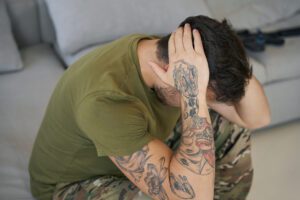
 We all know the heavy weight of losing someone we love, but coping with grief as a veteran carries an entirely different burden. Military culture demands a mission first mindset, where moving forward isn’t merely a choice — it is a survival requirement. In dangerous and high-stakes environments, stoicism becomes a necessary shield.
Have you ever felt forced to be the strong one and put on a brave face while your world shattered? The ingrained warrior ethos expected of service members and veterans often leads to a profound silence, as they try to suppress their pain to protect civilian loved ones. To address the unique issue of veteran grief, we should encourage them to acknowledge their emotional wounds instead of hiding them.
The Mission First Mindset on Grieving
Military duty requires intense focus, but few civilians realize how deeply this shapes emotional wiring. In combat, pausing to process a loss isn’t just impractical; it’s dangerous. Compartmentalizing trauma acts as a vital survival mechanism. The impact of military culture on the grieving process begins with this enforced stoicism.
Months or years later, that necessary armor becomes a heavy burden. This explains why veteran grief is often delayed or suppressed long after the immediate danger passes. While healthy stoicism helps service members function under stress, chronic emotional avoidance prevents them from unpacking hidden boxes. The brain effectively hits pause on sorrow, waiting for a safe environment.
Transitioning home introduces a jarring culture shock, as veterans enter a civilian world where emotions flow visibly. Navigating military bereavement in a society unaware of these unique bonds leaves many feeling isolated. They carry this sorrow quietly, setting the stage for the specific pain of confronting an empty chair and surviving when others did not.
Navigating Loss and Survivor's Guilt
Most of us know the ache of missing a friend at a gathering. But the empty chair phenomenon for veterans carries a heavier, more complex weight. When losing a fellow soldier in combat, a service member doesn’t just lose a friend; they lose a vital piece of their tribe. This profound loss often breeds a deep sense of unearned debt, leaving them quietly asking, “Why them and not me?”
Navigating this burden means recognizing how the body remembers what the mind suppresses. A critical step in managing survivor’s guilt after service is anticipating the dates or seasons when sorrow spikes. These periods often bring anniversary reactions and military trauma triggers, which typically appear as:
- Increased irritability
- Sudden sleep issues
- Vivid memories
- Social withdrawal
Recognizing these natural responses to losing a tightly connected community allows civilians to offer steady support instead of asking intrusive questions. By acknowledging these behaviors without judgment, civilians can help veterans bear their losses. Sometimes, however, this pain stems from more than just an empty chair — it involves witnessing events that violate deeply held beliefs, bringing us to examine what happens when grief feels like a broken internal compass.
Recognizing Moral Injury
We often confuse the lingering sadness of a lost loved one with psychological trauma, but distinguishing PTSD symptoms from a normal grief response is crucial. While PTSD is largely rooted in fear and the brain’s survival instincts, grief is a natural human reaction to loss. However, military service sometimes introduces a deeply hidden layer.
When service members witness or participate in events violating their core beliefs, they experience a broken internal compass. Moral injury and its effect on mourning reveal why veterans often withdraw into silence. This shame-based trauma, vastly different from fear-based trauma, makes individuals feel profoundly unworthy of compassion or healing.
Recognizing when natural sadness shifts into this unrelenting, stuck state helps families know how to offer support. It becomes vital to seek evidence-based therapies for complicated military grief when this inner conflict completely derails daily functioning. Healing these internal fractures eventually demands the shared understanding of those who have walked the same path.
Finding Peer Support and VA Resources
Leaving military service often creates a profound void where a community once stood, making solitary healing incredibly difficult. Discovering healthy emotional outlets for retired service members usually starts by reconnecting with those who intimately understand the uniform. The benefits of veteran support groups lie in this shared language; instead of explaining military culture, veterans can instantly focus on processing their loss.
Locating this new tribe is essential when seeking grief counseling or grief therapy. Several dedicated avenues bridge the civilian-military gap:
- VA Vet Centers: Community-based facilities offering confidential, peer-led recovery.
- Peer-to-Peer Hotlines: Support networks staffed exclusively by fellow veterans.
- Local VSO Groups: Veteran service organizations providing localized camaraderie.
Families should also explore VA bereavement counseling eligibility and services, which extend to surviving spouses.
Ultimately, restoring this camaraderie does more than soothe immediate pain. It creates a sturdy foundation for honoring the fallen without remaining trapped in sadness. By leaning on peers, veterans take the crucial step toward integrating the past: moving forward with purpose.
Moving Forward With Purpose
Healing isn’t about forgetting the past; it is about integration. Whether you are navigating social isolation during military bereavement or grieving the loss of military identity and purpose, your new mission is learning to carry these experiences forward. Start by reaching out to one trusted person today. This immediate step breaks the silence, proving that honoring fallen comrades can gracefully coexist with building a meaningful civilian life.
For loved ones wondering how to support a grieving veteran spouse, your most powerful tool is presence. You don’t need to fix their pain or provide answers; simply listen without judgment. As you walk this path together, remember that a veteran’s grief isn’t a broken compass — it reflects profound, enduring dedication. By embracing this ongoing journey, veterans and their families can forge a renewed sense of purpose, honoring what was lost by fully living what comes next.
Salt Lake Behavioral Health provides mental health programs specific to the treatment needs of military service members and veterans. Call our military liaison at 877-640-0220 to learn more.